
How Often Should You Flush Your Water Heater?
You rely on hot water every day, from morning showers to late-night dishwashing. Sediment inside the tank slowly steals that comfort. Minerals drop out of heated water and settle at the bottom, where they block heat transfer and strain parts. Regular flushing clears the buildup and helps your system run like it should.
If you live in Tennessee, where many neighborhoods have moderately hard water, routine maintenance matters even more. We’ll explain how often to flush, why it matters, when to move faster, and when to call Pipe Wrench Plumbing for help.
How Often Should You Flush a Water Heater?
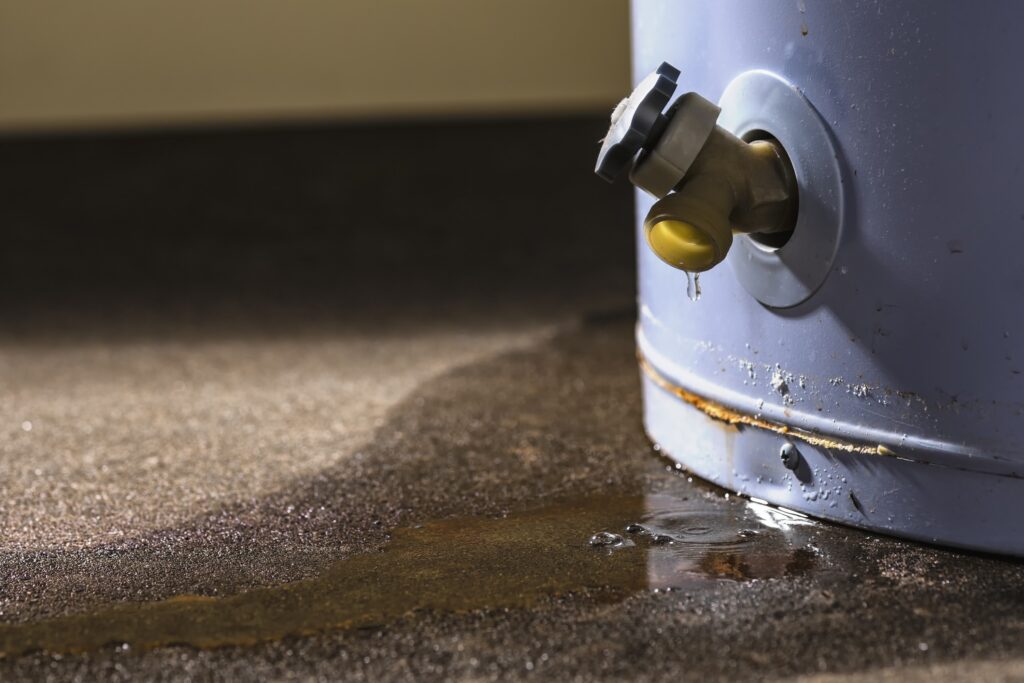
Most Tennessee homeowners do well with a full tank flush once a year. That prevents mineral sediment from forming a thick, stubborn layer. If your home uses a lot of hot water or your water tests on the hard side, twice-yearly flushes are a smart move.
Households that run multiple loads of laundry, take long showers, and operate a busy kitchen put more heated gallons through the tank, accelerating buildup. Homes that use well water often need more frequent care because mineral content varies throughout the year.
Why Flushing Your Water Heater Matters
Sediment hurts performance in several ways. It acts like insulation between the burner or heating elements and your water. The heater stays on longer, your utility bills climb, and the tank experiences extra heat stress. That extra heat can cause popping or rumbling sounds as bubbles fight through the sediment layer. Over time, the heat concentration near the bottom can warp components and shorten the life of the tank.
Flushing removes the layer, restores fast heat transfer, and helps the thermostat work accurately. It also improves water clarity. You reduce the chance of cloudy or rusty-looking hot water, which often comes from stirred-up deposits. Regular flushing supports healthier pressure and steadier temperatures and brings fewer surprises on your bill.
Signs Your Water Heater Needs Flushing Sooner
Listen for a kettle-like rumble when the burner fires. That sound points to trapped steam under sediment. Watch for hot water that fades to lukewarm faster than it used to, even though your thermostat setting has not changed. Pay attention to water that looks discolored at the start of a shower or grit that collects in faucet aerators.
A pilot light that goes out, a breaker that trips on an electric unit, or a temperature and pressure relief valve that weeps can all tie back to heat stress from sediment. If you notice higher gas or electric bills, but nothing else has changed in the home, the tank may be working harder than it should. Any of these signs means you should not wait for the calendar.
Can You Flush a Water Heater Yourself?
Skip the DIY, and call a pro for water heater flushing. A licensed plumber can handle scalding water, live electricity, and gas safely, protecting you from burns, shocks, and leaks. Valves that seize, drain ports that crumble, or a temperature and pressure relief valve that will not reset can turn a simple flush into a flood or a safety hazard. Pros bring the right hoses, pumps, and test tools, so sediment leaves the system instead of lodging in fittings or clogging fixtures.
Professional service also covers the parts most homeowners miss. A plumber checks the anode rod, verifies that the temperature and pressure relief valve work properly, confirms there is adequate combustion and venting on gas models, and inspects the expansion tank. For tankless units, they perform a controlled descaling that protects the heat exchanger and restores flow. Those steps keep efficiency high, reduce stress on the tank, and keep warranties and code requirements in good standing.
Tank vs. Tankless Water Heater Maintenance
Tank and tankless units both need yearly attention, but the work looks different. A tank heater collects sediment at the bottom, so flushing clears the layer and restores efficiency.
An anode rod inside the tank protects against corrosion by sacrificing itself. That rod needs inspection every one to three years, more often in hard water. Replacing a worn anode rod can add years to the life of the tank.
An expansion tank, if present, should be checked for proper pressure and diaphragm condition. The temperature and pressure relief valve should lift and reset smoothly.
Tankless heaters face mineral buildup inside narrow heat-exchanger passages. You do not see a layer at the bottom. Instead, scale coats internal surfaces and chokes flow. The fix is a descaling procedure that circulates a cleaning solution through the heater with a small pump.
Most manufacturers recommend annual descaling in hard water locations, sometimes every six months for heavy use or very high hardness. Cleaning the inlet screen and checking condensate lines on high-efficiency models keeps the flow steady and protects the heat exchanger. If you switched to tankless for energy savings, keeping your water heater free of scale protects the efficiency you paid for.
Water Quality Factors in Tennessee
Tennessee water varies by city and by source. Many neighborhoods see moderate to hard water with a mix of calcium and magnesium. That means scale forms faster when the water heats. If your faucets show white crust, your tank feels the same stress. A simple hardness test gives you a number so that you can tailor your schedule.
Water Heater Services From Pipe Wrench Plumbing
Pipe Wrench Plumbing offers water heater maintenance for both tank and tankless systems. During a visit, a licensed plumber flushes or descales the unit, checks the anode rod, tests the temperature and pressure relief valve, and verifies proper venting and combustion on gas models. They inspect your shutoff valves, look for leaks at fittings, and confirm that thermostat settings are correct.
For electric appliances, the visit can include element testing and replacement if needed. If your home has an expansion tank, the plumber checks the air charge and condition of the diaphragm. You get a clear report of the system’s health with practical recommendations, not guesswork. If the heater is at the end of its service life, you also get options for a high-efficiency replacement sized for your home and your usage.
How Often to Flush a Water Heater: Quick Scenarios
A single occupant in a condo with moderate water hardness can plan on an annual flush and be in great shape. A family of five in a suburban home with a busy laundry room and long showers should move closer to every six months. A tankless heater serving a large household often needs yearly descaling to keep the heat exchanger clean.
How Often Should You Flush a Water Heater in Tennessee?
For Tennessee homes, use this rule of thumb. Start with yearly flushing for standard tanks. If you hear rumbling or see sediment in aerators between visits, move to every six months. For tankless systems, plan on annual descaling, with a six-month cycle for high-use households or very hard water. Keep records. The date of service, the condition of the water at the drain, and any part replacements help you choose the right schedule next time.
Schedule Water Heater Maintenance in Tennessee With Pipe Wrench
Call today to schedule flushing or descaling, anode rod inspection, and a full safety check. You will get clear pricing, friendly service, and a water heater that runs the way it should.
For dependable water heater maintenance in Tennessee, reach out to Pipe Wrench Plumbing and set your yearly visit on the calendar.


You Are Our #1 Priority
Locally Founded & Operated
We are proud to continue our decades-long tradition of serving our neighbors throughout the greater Knoxville community.
Dedicated Leadership
We take pride in empowering our employees to deliver exceptional customer service and dependable solutions for all your plumbing and HVAC needs.
Trusted Plumbing & HVAC Expertise
We are a fully insured and licensed mechanical contractor allowing us to legally and effectively fix any problem that arises.
Same-Day Service Guaranteed
Don’t wait until tomorrow. With our same-day service, we’ll be there when you need us most.
Finest Products & Materials Available in the Industry
We deliver unmatched craftsmanship and products for quality solutions you can depend on for years to come.
Commitment to Community
As a proud member of the greater Knoxville community, we are invested in the comfort and well-being of our residential and commercial neighbors.